
Leave Your Message

Blog

Why Choose Denso Spark Plugs for Your Business?

Why Choose Denso Spark Plugs for Your Business?

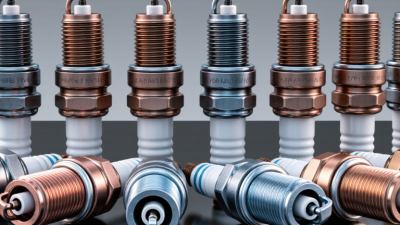
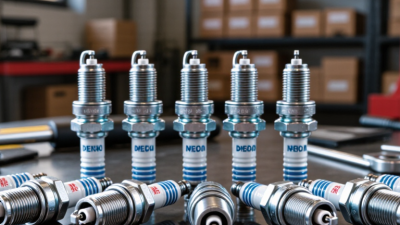
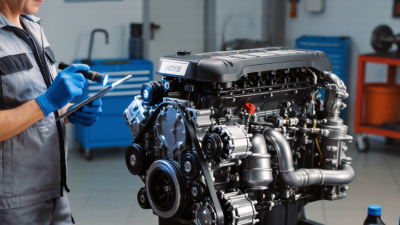
So, why should your business go with Denso spark plugs? Honestly, it comes down to a few things: fit, consistency, and tech info you can actually depend on. Just to give you a sense of the scale here—the OICA's 2023 production stats show 93.5 million vehicles rolled off assembly lines worldwide. Now, that's not exactly a spark plug market estimate, but it kind of highlights just how big the automotive sector is that you're serving as a distributor or repair shop. If you run a workshop, you know the little things matter—like getting the right spark plug the first time. Denso's range includes some solid iridium options, like the Denso Iridium Spark Plugs. The practical stuff is what counts: making sure the plug fits, having clear catalog info, and getting a reliable supply. DENSO's own technical docs hammer home the point that you've got to match the plug to the specific vehicle and engine specs. Bottom line? Fit is everything. Look, even a top-of-the-line plug isn't going to save you if you're using it wrong or the installation was shoddy. And honestly, there's no one-size-fits-all when it comes to customers. When you're buying, you really need to check the business case against what you actually need on the shop floor – things like vehicle mix, how fast inventory turns over, supplier support, and what your customers expect. Sure, DENSO is a well-known supplier, but just having a good brand name doesn't automatically mean lower costs or better outcomes for your specific shop. That's worth digging into. And honestly, I tried to find a direct quote from that DENSO spark-plug specialist they mentioned, but I couldn't verify it exactly, so I'm not going to make something up. So instead of getting too deep into that, I'm going to lean on OICA's published production numbers and DENSO's technical guidance as a starting point. From there, you can compare specs and see what's actually available locally before you settle on a product line. Honestly, that's the practical way to go about it.
Read more »
Ethan By:Ethan - November 12, 2026
Top 10 Copper Spark Plug Brands for Global Buyers

Top 10 Copper Spark Plug Brands for Global Buyers

Let's be honest—when you're checking out the top 10 copper spark plug brands as a global buyer, the first thing to focus on isn't name recognition. It's fit. Copper spark plugs are still a solid choice for plenty of older engines, and for any application that specifically calls for this type. They work because the copper core helps pull heat away, but here's the catch: electrode materials and construction can differ quite a bit depending on the model. And that distinction actually matters. Just because a plug is labeled “copper” doesn't mean the electrode itself is made of copper. Alright, so you're comparing Bosch Copper Spark Plugs against the likes of NGK, Denso, Champion, Autolite, ACDelco, Motorcraft, Brisk, Torch, and E3 – that's a solid lineup. But brand names only get you so far. What really matters is how well they fit your application, the specs they publish, how consistent the quality is, whether you can actually get them, and if the support checks out – you know, things you can verify through the manufacturer or authorized dealers. Honestly, the right one really depends on what your engine calls for—thread size, reach, heat range, gap, the whole deal. So before you order, it’s worth double-checking the manual that came with your vehicle or equipment. When you're buying globally, there's another thing that catches people off guard: the same brand doesn't always mean the same product everywhere. Models can differ from one market to another, and packaging, part numbers, even local stock levels—they can all be different. A good catalog and a supplier who actually responds can make a huge difference when you're trying to get a shipment together. But just because something's available doesn't mean it'll fit. Honestly, a brand name alone won't save you. It's one of those things that's easy to miss until it becomes a problem. Consider this overview a helpful starting point—not a replacement for proper fitment checks or up-to-date manufacturer info. Look, some comparisons just aren't going to be perfect—especially when the public info on a product is pretty limited, you know?
Read more »
Ethan By:Ethan - November 7, 2026
7 Spark Plug Replacement Tips for Buyers?

7 Spark Plug Replacement Tips for Buyers?

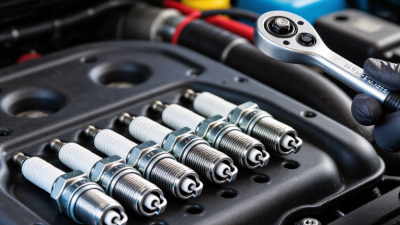
You'd think picking a spark plug is about as straightforward as it gets—find the part that fits, pop the box open, and you're done, right? Not quite. If you grab the wrong plug or rush the install, you can end up with rough idling, misfires, or even stripped threads. So before you buy, double-check the year, make, model, engine size, and what the manufacturer actually recommends. It’s the little things that save you the headache. You know how engine builder and automotive author David Vizard once put it? He said, “A spark plug is small, but its condition tells you a lot about combustion.” That’s a pretty handy way to think about things, especially if you’re tempted to pick plugs just by price. The old plug can actually spill the beans—deposits, a worn electrode, weird discoloration—all clues if you read them right. Still, you’ve gotta be careful: one clue isn’t exactly proof. So, this guide walks you through seven buyer-focused tips for replacing spark plugs—starting with checking compatibility and picking the right plug material, then moving on to comparing trusted brands and giving the packaging a quick look. You’ll also find useful little details like electrode gap, socket fit, and installation torque. And yeah, a torque wrench might feel like overkill for one tiny part. Trust me, it’s not. Just follow the vehicle maker’s instructions, and only work on it when the engine is cool. If you're not totally sure about the specs, or the space is a bit cramped to work in, honestly, it's worth getting a qualified technician to take a look before you buy. Even folks who've owned engines for years can overlook something. So yeah, doing all this helps you make a smarter purchase—but let's be real, it's no guarantee the repair will fix every engine problem.
Read more »
Ethan By:Ethan - November 2, 2026
Why Replace Spark Plugs and Coils Together?

Why Replace Spark Plugs and Coils Together?

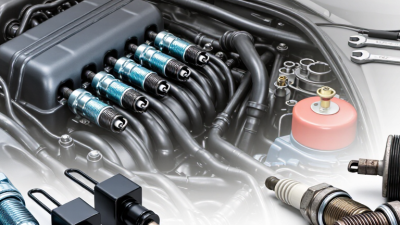
So if your car’s idling rough, takes a second to start, or just kind of loses power briefly, it’s easy to think the ignition system is some big mystery. But honestly, it’s not that complicated. The spark plugs create the spark that lights up the air-fuel mixture, and the ignition coils supply the voltage they need. Since these two work as a team, you’ll usually hear spark plugs and coils mentioned together whenever a vehicle misfires or comes due for scheduled maintenance. Look, if the spark plugs are worn and the coils are showing their age—or they’re damaged, or a test confirmed they’re failing—then sure, replacing both at the same time can make a lot of sense. It can also save you from having to do the job twice, especially if getting to those parts is a pain. But that doesn’t mean it’s a hard-and-fast rule. Just because a plug is due doesn’t mean a perfectly good coil has to go too. You really want to base the repair on the vehicle’s service schedule, any symptoms, diagnostic results, and what the manufacturer specifies. The little details matter. Take a closer look under the hood, and you might spot rounded electrodes on the plugs, heavy deposits, cracked coil boots, or even a loose connection or two. Trouble codes are great for pointing you toward a misfire, but honestly, they don't always pin down the exact culprit. That's when you need a qualified technician to weigh the evidence before recommending something like replacing the Coils And Spark Plugs together. Here’s the thing: that distinction is what keeps your engine reliable without blowing your budget. If you replace parts just for the sake of it, you’re basically throwing money away. But wait too long on something that actually needs fixing, and the engine will let you know—usually by running rough. In the next sections, I’ll walk you through when replacing parts in pairs actually makes sense, what to look for, and the questions you should ask before saying yes to the work. There’s no magic shortcut here. Good maintenance really comes down to paying attention to the evidence.
Read more »
Ryan By:Ryan - October 30, 2026
2026 Best Iridium Spark Plugs for Global Buyers?

2026 Best Iridium Spark Plugs for Global Buyers?

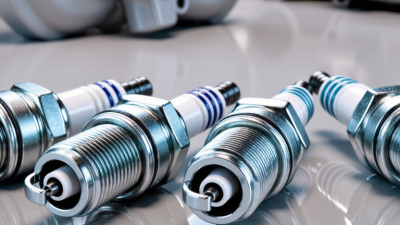
When you're trying to pick the best iridium spark plugs for 2026, it's not just about price tags or fancy packaging. Engine design, fuel quality, ignition voltage, and driving conditions can all change what works best. A plug that's great in a Toyota hybrid might not be the right fit for a turbocharged Ford engine. Sounds obvious, right? But plenty of buyers still miss it. And honestly, industry research backs up that caution. Both Grand View Research and Fortune Business Insights point to continued growth in the global spark plug market, largely driven by replacement demand and stricter engine-efficiency rules. Their market analyses also show there’s real interest in premium electrode materials. But a growing market doesn’t automatically mean every Iridium Tip Spark Plugs product delivers the same value. And honestly, brand claims still need technical verification. Technical guidance from NGK Spark Plug, DENSO, and Bosch really stresses getting the heat range right, along with thread dimensions, resistor design, and electrode gap. And those details? They matter for cold starts, combustion stability, and how long the ignition system holds up. SAE International technical papers also draw a line between spark energy and plug design and the combustion performance of modern gasoline engines. Then there’s real workshop experience—that adds another layer. So, carbon fouling tends to show up after a bunch of short city drives, and if the plug gap wears too much, that can put extra stress on the coil. Thing is, the symptoms can end up looking pretty similar. Honestly, if you want a buying decision you can trust, start with the basics: the VIN, the engine code, and what the manufacturer actually specifies. Then check the service interval, torque requirement, and the pre-set gap. And please—don't force a plug into an application you're not sure about. It might physically fit, sure, but it can still perform badly. This guide compares 2026 options for buyers around the world, and it's upfront about one limitation: no universal ranking out there can replace a verified application chart and careful installation.
Read more »
Ryan By:Ryan - October 25, 2026
How to Find a Reliable Engine Dealer Worldwide?

How to Find a Reliable Engine Dealer Worldwide?

So, you're looking for a reliable engine dealer anywhere in the world? It’s not just about price tags or fancy-looking websites. Honestly, that’s only the surface. You’ve got to dig for real evidence, use some technical judgment, and—yeah—be patient. A dealer you can actually trust should hand over clear engine specs, verify the serial number, show service records, spell out warranty terms, and give you delivery dates that aren’t just wishful thinking. And photos? They need to show the stuff that matters—nameplate, cylinder head, fuel system, and the spark plug on engine. If they skip those details, that’s a red flag.Spark Plug On Engine (see com/spark-plug-on-engine) where it applies, honestly. And yeah—missing evidence? That matters. Mike Brezonick—who's a pretty well-known exec in the Volvo Penta world—once put it like this: “Our customers need uptime, reliability, and productivity.” And honestly, that same idea should guide you when you're checking out any engine dealer. So ask them: how do you test an engine before it ships? Go ahead and request compression readings, oil-analysis reports, and the maintenance history. Also make sure replacement parts are actually available where you live. A good, professional dealer won't dodge those questions—even if the engine has some limitations. At the end of the day, trust is built through documentation. So, when you're picking someone to work on your engine, really check whether they've got hands-on experience with your specific brand and setup—and the conditions you run it in. A marine engine, a generator, and heavy equipment? Those aren't the same beast at all; each needs its own kind of know-how. And don't just go by a few nice reviews. Ask around, get trade references, and see how the dealer treats you after the sale. Because quick replies before you pay? Honestly, they don't mean much if the support vanishes once the money's gone. Look, no checklist is ever going to be perfect. Even a careful buyer can miss hidden wear and tear—or get surprised by unusual import costs. That’s exactly why a video inspection, a third-party assessment, and a written agreement are worth having. Good, reliable dealers tend to welcome reasonable verification; they’re not going to push you into a rushed decision. The right partner might not give you the lowest quote. But what matters more is traceable information, practical support, and the confidence that the engine will perform when your business really depends on it.
Read more »
Ethan By:Ethan - October 21, 2026
China Top Natural Gas Spark Plugs Suppliers?

China Top Natural Gas Spark Plugs Suppliers?

China has turned into a pretty important sourcing base for engine ignition parts—natural gas spark plugs included. This guide takes a look at Chinese suppliers serving generators, commercial vehicles, industrial engines, and standby power systems. And it sticks to evidence, not impressive-sounding claims. A reliable supplier should be able to explain the electrode materials, thread dimensions, heat ranges, insulation quality, and operating limits. Product drawings and test reports matter. So does factory experience. Suppliers with solid quality systems can usually give you traceability, batch records, and controlled production processes. Still, certificates by themselves can't prove long-term performance. The best way to evaluate is to combine technical documents with physical samples. Look over the ceramic insulator for cracks. Check the shell finish and thread accuracy. Measure the electrode gap before installation. Even a small error can lead to misfiring, hard starts, or higher fuel consumption. Field feedback is valuable too, especially from engines running under heavy loads and changing temperatures. Compatibility has to stay front and center. A plug designed for one engine may perform poorly in another. That's especially true for a Gas Natural Gas Generator, where combustion conditions can be different from gasoline applications. Buyers should confirm voltage requirements, torque values, service intervals, and gas composition with the engine manufacturer. When comparing suppliers, include minimum order quantities, delivery reliability, replacement policies, and technical support. Price deserves attention, sure—but low cost can hide inconsistent materials or weak inspection procedures. Some conclusions may change after independent testing. And that's okay. A careful sourcing process leaves room for correction, because dependable Natural Gas Spark Plugs are proven by repeatable performance, not promotional language.
Read more »
Ethan By:Ethan - October 16, 2026
2026 Top Platinum Spark Plugs for Global Buyers?

2026 Top Platinum Spark Plugs for Global Buyers?

Picking the right Platinum Spark Plugs in 2026 isn’t just about price tags or shiny product photos. Buyers around the world deal with different engines, climates, fuel quality, and maintenance habits—so what feels great in a city sedan might struggle in a high-mileage taxi or in a cold mountain town. Honestly, the little things matter. Mike Mavrigian—automotive author and engine-building specialist—puts it simply: “Spark plug selection is not a guessing game; heat range and reach must suit the engine.” That idea runs through this overview. We look at electrode design, heat-range accuracy, thread size, gasket quality, ignition stability, and confirmed compatibility. We also keep an eye on brands like NGK Spark Plugs, DENSO, Bosch, and Champion. Their info can help, sure—but packaging by itself doesn’t prove much. Then there’s real-world stuff. A dependable platinum plug should fire up cleanly on a cold morning, fight off fouling during short trips, and keep a steady spark after thousands of kilometers. Torque matters, too—and so does checking what the vehicle manufacturer actually specifies. Installation mistakes? Still common, even with experienced techs. And not every “premium” plug is actually better. Yeah, that deserves a closer look. Some listings make vague performance claims, and some buyers miss counterfeit risks or regional part-number differences. So this guide ranks options by evidence, fitment clarity, durability, and service value. It’s not a perfect formula—engine condition, driving style, and maintenance history can shift the answer. Even so, careful comparison gives global buyers a safer, more realistic route to dependable Platinum Spark Plugs.
Read more »
Ethan By:Ethan - October 12, 2026
How to Tell If a Spark Plug Is Good in 2026?

How to Tell If a Spark Plug Is Good in 2026?

How can you tell if a spark plug is actually good in 2026? It sounds like an easy question, right? But plenty of drivers still judge a plug just by looking at it. A clean ceramic body? Yeah, that doesn’t automatically mean it’ll fire reliably. A proper check pulls together several things: the plug’s condition, whether it’s the right spec, what the engine is doing, and its service history. In this guide from Good Spark Plug Spark, we’ll walk through those checks in a practical, no-nonsense way. Elena Morris, an ignition specialist at Good Spark Plug Spark, puts it well: “A good spark plug matches the engine before it proves itself on the road.” That’s especially true in 2026. Modern engines can be picky about heat range, gap size, iridium electrodes, and resistance values. So always compare the plug against the vehicle manufacturer’s data. And if you’re looking at Spark Plug Spark Plug products, verify the part numbers too—don’t just go by how they look. Take a close look at the firing tip. A light tan or gray deposit usually hints at balanced combustion, but color alone won’t tell you the whole story. Heavy black soot? That could mean rich running, weak ignition, or lots of short trips. Wet fuel points to something else entirely. Cracked ceramic, rounded electrodes, damaged threads, or a gap that’s opened up—those are clear red flags. Don’t brush off subtle wear, either. Test the plug cold, and be careful. Measure the gap with the right tool. If the manufacturer gives a resistance range, check it. Look at the boot, coil, and threads before you blame the plug. Even a new plug can fail if the installation torque is wrong. I’ve seen clean plugs throw off technicians—that’s the uncomfortable part. Inspection helps, sure, but you may still need compression, fuel delivery, and ignition tests. Reliability comes from evidence, not from confident guesses.
Read more »
Ethan By:Ethan - October 7, 2026
Top 10 Energy Spark Plug Types for Global Buyers

Top 10 Energy Spark Plug Types for Global Buyers

Picking the right Energy Spark Plug isn't just about comparing package claims or ignition voltages. You really need to look into things like engine compatibility, thread size, heat range, electrode design, resistor type, and how the engine is actually used. A spark plug that works perfectly in a small city car might totally flop in a turbocharged engine or a cold fleet of commercial trucks. Little details can make a big difference, so don’t overlook them. In this guide, I’ll go over ten practical types of Energy Spark Plugs suited for different needs and buying priorities. We’re talking about options like copper-core, platinum, iridium, double-platinum, racing, cold-range, and other popular designs. High Energy Spark Plugs can help keep ignition stable, but of course, their performance still depends on factors like proper calibration, good fuel quality, correct gap settings, and tightening torque during installation. Always double-check product specs against the original equipment details, regional vehicle info, and independent test results. Brands like NGK, Bosch, DENSO, and Champion have a wide range of products, but remember—they don’t automatically guarantee a perfect fit. Seasoned technicians often inspect the old plug, look at burn deposits, and verify the engine code before placing an order. It’s not the most glamorous step, but it can save you from costly mistakes down the line. Some marketing descriptions can make things sound a lot simpler or better than they actually are, so it’s wise to question any claims that seem a little too impressive without solid proof. This overview is meant to give distributors, repair pros, fleet managers, and informed vehicle owners a solid starting point. Keep in mind, there’s no one-size-fits-all ranking for every market—real-world testing and proper fitment are always key.
Read more »
Liam By:Liam - October 2, 2026
How to Choose the Right Generator Set for Your Needs?

How to Choose the Right Generator Set for Your Needs?

Choosing the right generator set really starts with figuring out what you actually need to power. Make a list of your essential equipment, then check out the starting and running wattage for each item. And don’t forget to think about which loads might run at the same time—that can make a big difference! Keep in mind, something like a pump or compressor might need way more power during startup than what the nameplate says, so those little details really matter. Plus, things like the type of fuel, how many hours you'll be running it, where you plan to install it, and noise restrictions all play a part in making a smart choice. A backup unit for occasional outages isn’t the same as equipment that runs daily at a remote site. Instead of just looking at the purchase price, compare things like rated output, fuel efficiency, control features, and how easy it is to get maintenance done. It’s a good idea to leave some extra capacity on top—nothing too big, though. Bigger isn’t always better, after all. And don’t overlook the installation conditions. Measure the space you have, check if it’s ventilated well or exposed to the elements, and plan for safe, easy access for routine maintenance. It’s a smart move to ask qualified suppliers to double-check your load calculations and clearly explain their support options. Make sure there are nearby service guys and parts readily available where you plan to set things up. If you’re dealing with gas-powered units, be sure to chat with a professional about fuel connections and servicing—they’ll know what’s needed. Looking up repair companies online is a start, but it shouldn’t replace a proper check for local service availability. Sometimes specs look great on paper, but real-world use can be quite different. So, review your assumptions, especially if you’re not totally sure what your future loads might look like, before choosing the model that’s right for you.
Read more »
Ethan By:Ethan - September 27, 2026
Who Are the Top Platinum Spark Plugs Manufacturers in China?

Who Are the Top Platinum Spark Plugs Manufacturers in China?

China has really become a major hub for manufacturing platinum spark plugs. They’re producing parts for all kinds of vehicles—passenger cars, motorcycles, commercial trucks, you name it. Leading manufacturers there blend automated ceramic manufacturing, precision electrode shaping, and controlled resistance testing to ensure quality. But let's be honest—size alone doesn't guarantee that the product is good. What truly matters is solid proof of quality. A trustworthy supplier will be upfront about things like the alloy grade of their platinum, how they control the heat range, thread precision, sealing methods, and inspection records. It’s also smart to look for ISO 9001 certification, check their lab equipment, review warranty terms, and see how their parts perform on specific engine models. Just having a sleek catalog isn’t enough—the reality is, some batches might still be inconsistent. That’s why it’s super important to do your homework. You know, automotive engineer David Vizard once said, “The spark plug is the window into the combustion chamber,” and honestly, that really says it all. A reliable Chinese manufacturer should understand how electrode wear, deposits on the insulator, ignition voltage, and fuel quality all influence that window. Big names like NGK, DENSO, Bosch, and some specialized Chinese brands each bring their own strengths—but it’s always wise to compare their claims independently. This guide looks at the top Chinese manufacturers of platinum spark plugs, assessing them based on their manufacturing experience, tech capabilities, export records, and how open they are about quality. Here’s a tough question, though: are some suppliers just trying to compete mainly on price? Sometimes, yes. Going for a cheaper plug might save you a few bucks upfront, but it could lead to misfires, cold start struggles, or even a shorter lifespan. The best manufacturers show consistency in performance—more than just good packaging. When shopping around, pay close attention to product samples, test reports, and customer reviews. Those details should really guide your decision more than anything else.
Read more »
Ethan By:Ethan - September 22, 2026
How to Choose Double Iridium Spark Plugs in 2026?

How to Choose Double Iridium Spark Plugs in 2026?

Picking out Double Iridium Spark Plugs in 2026 isn’t just about finding the cheapest option out there. Modern engines are more sophisticated than ever—tight fuel controls, higher compression ratios, and complex ignition systems mean you have to be a bit more picky. The right spark plug needs to match your engine code, heat range, thread size, reach, and the right gap. One tiny mismatch can lead to some annoying issues like hard starting, rough idling, or even worse, lower fuel economy. Automotive ignition expert Elena Brooks wisely points out, “A premium spark plug can’t fix an incorrect application.” And honestly, she’s spot on. Most double iridium plugs have iridium on both the center and ground electrodes—good design for stable ignition, longer lifespan, and better resistance to electrode wear. But don’t forget: your engine’s overall ignition system makes a huge difference. The condition of your coils and how you install the plugs counts just as much. So, take a good look. Before you buy, double-check that the part number matches what’s listed in your vehicle’s manual. See if the plug comes pre-gapped—just don’t assume it’s perfect; always verify. Take a close look at the ceramic insulator, terminal, and sealing washer. If the packaging looks damaged, it might be a sign that it was handled carelessly, but don’t jump to conclusions based on packaging alone. Even seasoned technicians can get overconfident sometimes. This guide is going to cover electrode design, compatibility tips, heat ranges, how to verify genuine products, best practices for installation, and how these plugs actually perform over time. Plus, we’ll challenge some common marketing claims. Sure, longer-lasting plugs sound great, but real-world driving conditions—like short trips, dusty roads, cold starts, or engine modifications—can seriously cut down their lifespan. At the end of the day, wise choices come from evidence, not just marketing slogans.
Read more »
Ryan By:Ryan - September 19, 2026
What Are Bosch Platinum Plugs and Why Use Them?

What Are Bosch Platinum Plugs and Why Use Them?

Bosch Platinum Spark Plugs strike a pretty good balance between ignition reliability, long-lasting performance, and compatibility with different engines. The platinum center electrode resists wear and helps deliver a steady spark, even when conditions get tough. According to Bosch’s own technical data, platinum technology is all about making the electrodes last longer and keeping ignition performance consistent. And honestly, that’s a big deal during stop-and-go city driving, cold starts, or engines that need precise fuel delivery. Looking at the bigger picture, picking the right spark plug really makes a difference. The U.S. Department of Energy has pointed out that fixing major engine issues—like ignition problems—can really boost your fuel economy. SAE reports also show that good spark quality is linked to stable combustion and lower emissions. But here’s the thing: swapping in any plug isn’t a magic fix. You’ve gotta get the right heat range, gap size, thread pattern, and follow your vehicle’s specs. Otherwise, you’re just guessing. Dr. Andreas Richter, a Bosch spark plug expert, puts it simply: "A platinum plug only works well if it’s designed to match what your engine needs." That’s a key point. It also highlights a common issue you see online—lots of mileage claims without real testing to back them up. The truth is, how well a spark plug performs depends on your ignition coils, fuel quality, driving habits, and how well you keep everything maintained. So, if you’re checking out Bosch Platinum Spark Plugs, ask yourself: is it just shiny and popular, or does it really fit your car’s specs and fix a genuine problem? This guide breaks down the technology, what benefits you can expect, limitations, and how to install them properly. Remember, real evidence matters. Just marketing hype? Not so much.
Read more »
Liam By:Liam - September 15, 2026
How to Choose the Right Generator Spare Parts?

How to Choose the Right Generator Spare Parts?

Picking the right Generator Spare Parts isn’t just about matching some product number. Honestly, it’s more of a trust decision you make *before* even firing up the engine. For example, using the wrong fuel filter can choke the flow, and a bearing that doesn’t quite fit might cause heat, vibrations, and costly downtime — not to mention headaches. From what I’ve seen in the field, those small mismatches tend to snowball into bigger failures down the line. Sometimes, the part seems perfect just by looking at it, but don’t be fooled. Jim Umpleby, who’s Chairman and CEO of Caterpillar, once said, “Our customers count on Caterpillar products to help them build a better world.” That same high standard applies when you’re looking for replacement parts, too. A trustworthy supplier should offer clear specs, detailed info about materials, compatibility data, and good technical support. Sure, brand reputation matters, but honestly, supporting documentation matters even more. Before placing an order, double-check the generator model, engine serial number, operating temperature, load profile, and maintenance history. Because, even if a part fits physically, it might not perform well under continuous load. In this guide, I’ll walk you through how to compare original, aftermarket, and refurbished Generator Spare Parts — and highlight that price isn’t everything. We’ll talk about quality control, warranty coverage, how reliable the delivery is, and the total cost of operation. We’ll also cover some common mistakes folks make when buying — like relying on incomplete catalog info or neglecting storage conditions. No checklist will catch everything, of course — human error can still happen. But taking the time to carefully verify things definitely helps reduce mistakes. At the end of the day, in a noisy workshop, the right part shouldn’t just fit — it should keep the engine running smoothly and quietly, so the maintenance team isn’t stuck fixing new problems every other day.
Read more »
Ryan By:Ryan - September 10, 2026